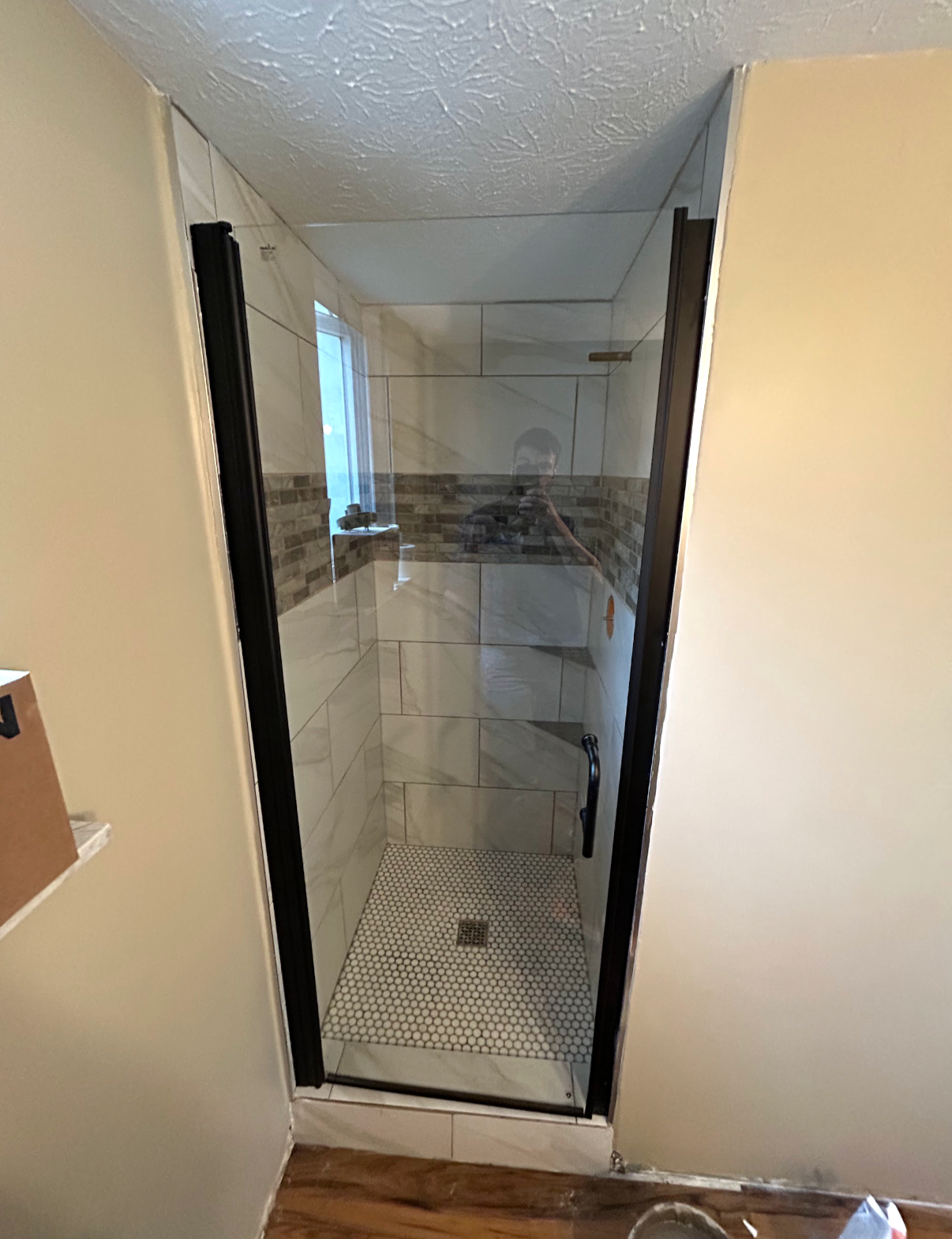
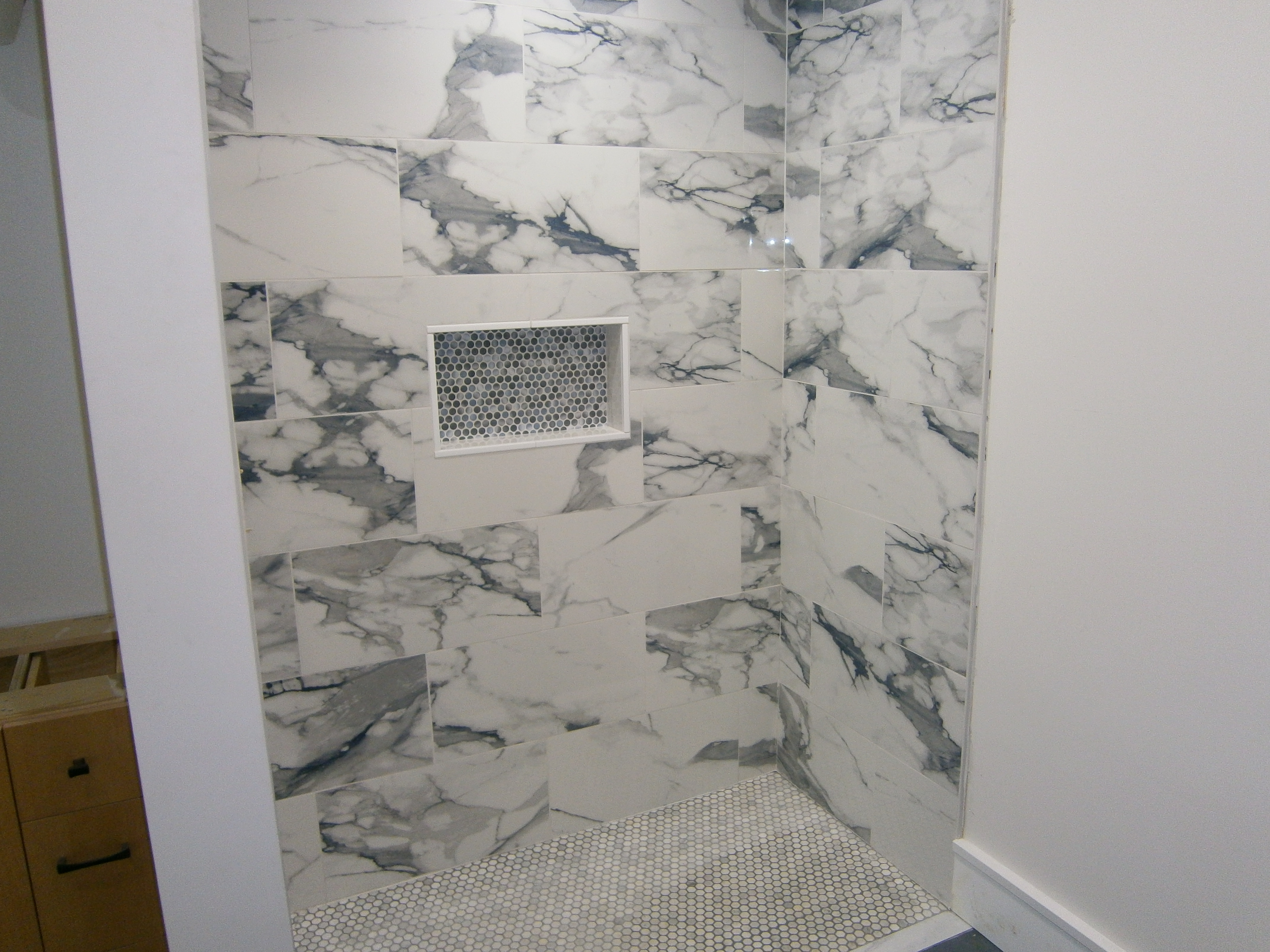
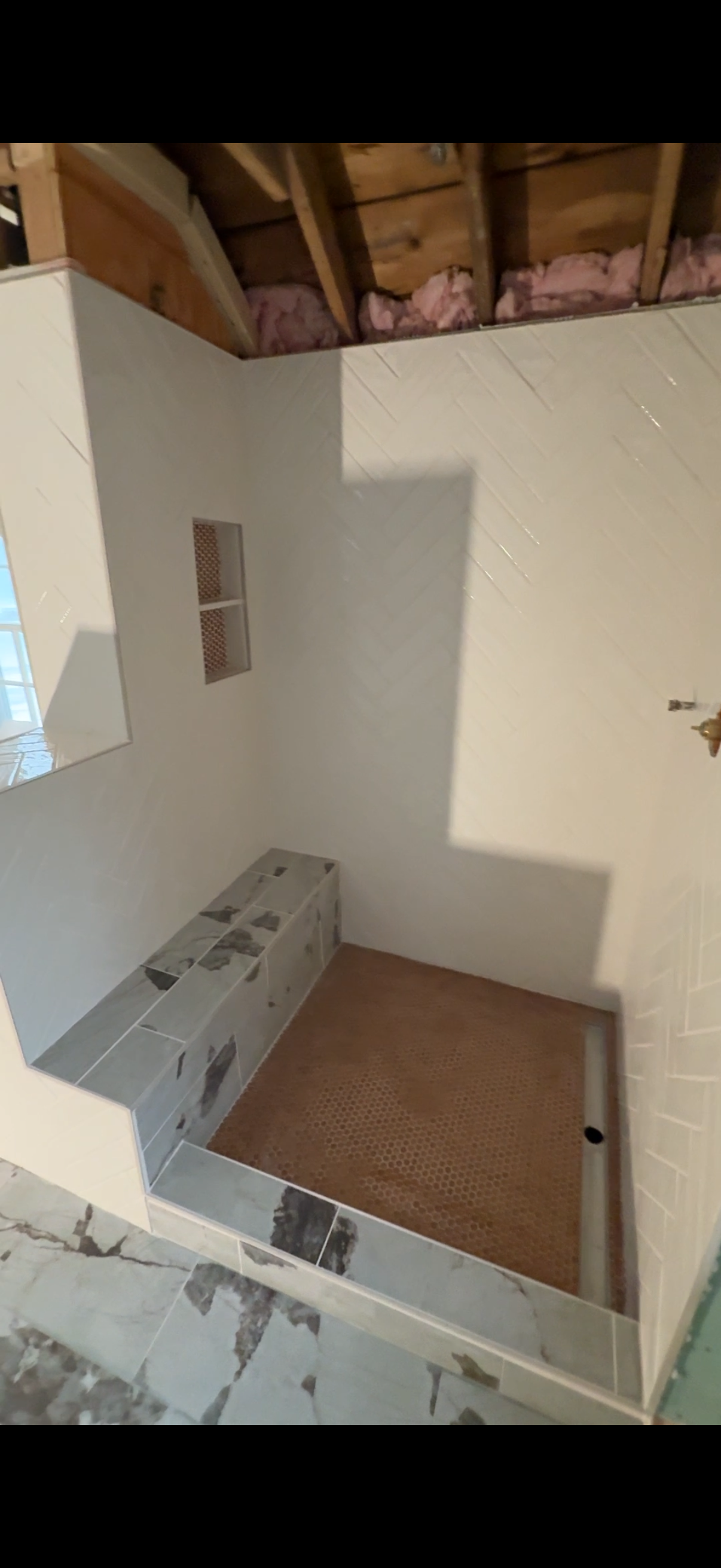
Most shower failures don’t happen overnight. They happen slowly — behind tile, under grout, and out of sight — until the damage is expensive and unavoidable.
Over the years, I’ve learned that doing a shower “the easy way” is usually the fastest way to failure. Here are a few common mistakes I intentionally avoid.
Tile and grout are not waterproof, no matter how well they are installed. The real protection in a shower happens behind the tile, where membranes, seams, and transitions control water movement. Skipping steps, rushing installation, or relying on surface-level fixes almost always leads to leaks that show up months or years later—often after significant damage has already occurred.
Tile does not correct structural issues—it reflects them. If walls or floors aren’t flat, plumb, or square, those conditions will be visible in the finished surface. Pretending they don’t exist doesn’t make them go away; it just delays the moment when someone notices and questions the work, even though the underlying issue was present from the start.
Every waterproofing system is designed to work as a complete, integrated assembly. Mixing membranes, adhesives, drains, or patch methods from different systems introduces unknown variables and weak points. Improvised repairs or hybrid systems may look acceptable at first, but they compromise the reliability of the installation and often void manufacturer warranties.
A shower needs to function first and look good second. Making invasive changes purely for cosmetic reasons can disturb the waterproofing system and introduce unnecessary risk. Cosmetic perfection that compromises durability isn’t a trade-off I’m willing to make—because a shower that fails isn’t a good shower, no matter how it looks on day one.
My goal is simple: build showers that last. Sometimes that means saying no to shortcuts — even when they seem easier in the moment.
Call or text EGA Construction LLC at (440) 867-5443 for a free flooring estimate in Northeast Ohio.
If you want to avoid these issues on your project, feel free to send a few photos or details. I can take a look and give you a clear next step based on your situation.